
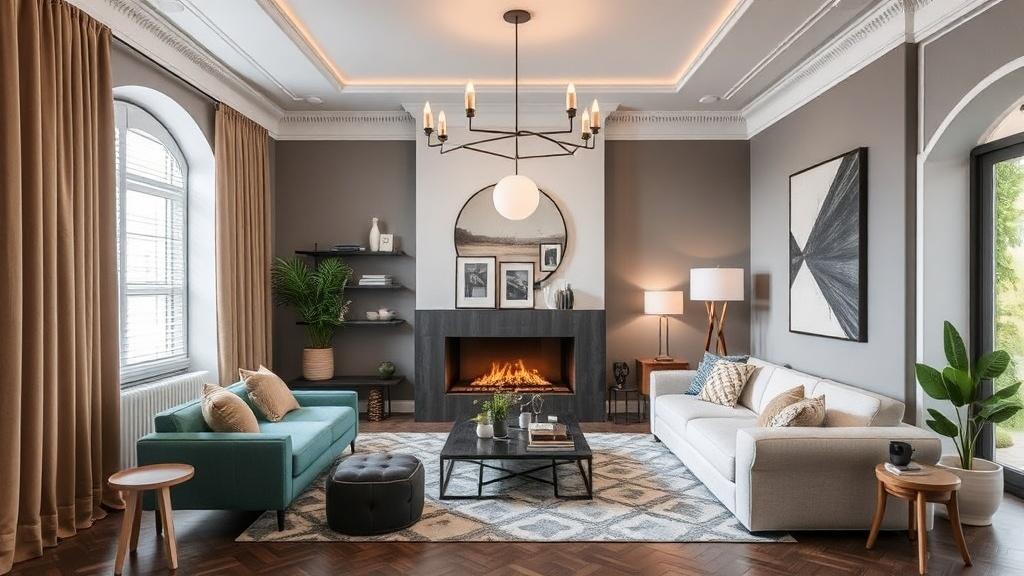
As we step into 2026, interiors are moving away from showy trends toward spaces that feel human, lived-in, and genuinely comforting. The year’s fashionable looks are less about chasing novelty and more about craftsmanship, warmth, and everyday practicality. If you want a home that rests easy on the eye and actually supports daily life, you’ll notice a thoughtful blend of texture, light, and scale shaping rooms that work as well in real life as they do in magazines.
What will define living spaces in 2026
In 2026, trend cycles aren’t about chasing the newest gadget or a dramatic color splash. The conversations I’m having with clients revolve around balance—between softness and structure, between natural materials and modern technology, between private retreat spaces and social hubs. Rooms are designed to be adaptable, with zones that fluidly shift from work to play to rest. The result is a home that feels intentional rather than canned, a space that grows with its inhabitants.
One of the most consistent themes is a move toward human-centered design. That means furniture that invites touch, lighting that glows rather than glares, and materials that reward close inspection. In design circles, you’ll hear about the shift away from sterile minimalism toward environments that celebrate imperfections, patina, and character. If you’re decorating for a life you actually live, these are the principles that tend to endure.
Color palettes, materials, and finishes
Color continues to be a powerful tool for mood regulation in the home. The palette for 2026 leans into warmth and depth, with neutrals serving as a calm canvas and accent tones providing personality without shouting. Think soft creams, sandy beiges, and clay-inspired browns as foundations, punctuated by mossy greens, terracotta, and rich cocoa. Surfaces tell stories too: plaster, limewash, and natural stone pair with wood veneers and woven textiles to create tactile, layered rooms.
Texture becomes the hero this year. Bouclé upholstery, cork flooring, riven limestone, and silk-blend drapes are not merely decorative; they’re about the way a room feels under your fingertips. The goal is a sensory spectrum you can hear in the quiet rustle of a textile or the subtle patina of a well-loved surface. When textures align with lighting and color, spaces look richer without becoming busy.
| Palette | Typical colors | Usage notes |
|---|---|---|
| Warm neutrals | #f5efe7, #e8dcc6, #d1c5b0 | Walls and large furniture, creates calm foundation |
| Earthy greens | #6b8e23, #9fbf93 | Cushions, accent walls, cabinetry refresh |
| Terracotta and clay | #e07a5f, #c96a4b | Statement textiles, ceramics, small furnishings |
| Metallic warmth | #d4af37, #b98a3a | Hardware, lighting, decorative accents |
On the topic of Polish market discourse, you may hear references to Najmodniejsze style wnętrzarskie w 2026 roku as a shorthand for the year’s hot looks. It’s a reminder that while styles travel, the core desire remains the same: spaces that feel grounded, lived-in, and timeless.
Furniture silhouettes and layout
Silhouettes in 2026 favor comfort without sacrificing clarity. Softer edges replace sharp corners, and seating lines are generous enough to invite lingering conversations. We’re seeing a shift toward rounded coffee tables, curved backs on sofas, and chairs that look welcoming from every angle. This isn’t about whimsy; it’s about encouraging a more relaxed flow through a room.
Function continues to drive form. Flexible arrangements, modular systems, and multi-purpose pieces help households adapt to changing needs—whether you’re hosting a dinner, setting up a home office, or curling up with a good book. The best furniture sits quietly in the room, letting art, plants, and light have their moment.
Soft geometry, rounded edges
Rounded edges soften the space and reduce visual fatigue. It’s not just about aesthetics; rounded forms are comfortable to interact with, which matters when you spend long stretches of time at home. Think sofa cushions with gentle curvature, arched mirrors, and tables with sculptural, approachable shapes. The effect is inviting rather than clinical.
Contrast remains essential, but the contrast is nuanced. A round timber table paired with a linear metal base can read as balanced rather than clash. Textiles in coordinated tones bridge the space between hard surfaces and soft upholstery, tying the room together with a quiet, cohesive rhythm.
Flexible, modular arrangements
Open-plan spaces benefit from modular solutions that can reconfigure as needs shift. A set of lightweight, stackable stools can become a guest seating island when you host; a modular sofa can reassemble into a chaise for a lazy Sunday. The idea is to assemble a space that can transform without requiring a full teardown and rebuild.
In practice, that means selecting pieces that are aesthetically compatible but versatile. Materials with a natural raw edge—unfinished wood, exposed grain, or tactile fabrics—pair well with modern, streamlined frames. The overall effect is a room that breathes, rather than one that feels boxed in by the furniture’s own footprint.
Materials and sustainability
Sustainability isn’t a trend so much as a baseline expectation for good design in 2026. People want furniture and finishes that endure in both style and performance, sourced with transparency. That has led to an uptick in responsibly harvested wood, recycled metals, and low-VOC paints. The ethical layer of design is now a practical one—the right choices last longer and feel better day to day.
Polyvalent materials that age gracefully are popular. Live finishes—waxed wood, oil-treated surfaces, and matte metals—patina beautifully as they wear in. The result is a space that develops character with time rather than losing it to a glossy, disposable look. It’s a quiet, sustainable luxury that most homeowners notice only after living with it for a while.
Natural materials trend
Natural materials take center stage because they’re honest in look and feel. Stone countertops with matte finishes, cork floors, linen textiles, and wool blends create a tactile ecosystem you can trust. These elements age gracefully and are easier on the environment than heavily processed alternatives.
The trick is to balance natural materials with durability. A soft wool rug might be beautiful, but under high-traffic zones it needs a sturdy underlayment and careful placement. The best projects treat materials like ingredients in a recipe—each one chosen for texture, warmth, and resilience, not just for color.
Textiles and layering
Textiles are the unsung heroes of the 2026 lookbook. Layered curtains with a light sheen, throw blankets in tactile weaves, and upholstery fabrics with subtle texture create depth without clutter. The layering should feel intentional, like a woven story that you can walk through with your eyes closed and still sense the rhythm.
Color is a unifier in textiles. If walls stay neutral, textiles provide the personality. If you go bolder with wall color, textiles should support and soften rather than compete. The result is a room that reads as cohesive, even when you’re mixing patterns or materials.
Lighting and atmosphere
Lighting remains the most powerful styling tool in any home. In 2026, lighting design prioritizes warmth, layering, and sculptural presence. A combination of overhead ambient light, task lamps, and accent lighting around artwork or architectural features creates a balanced, cinematic feel without glare. The goal is to enable mood shifts from bright daytime focus to low-lit evenings with ease.
Fixtures are increasingly seen as architectural statements. You’ll find lighting that reads as art—bold glass forms, organic shapes, or metalwork that frames a view rather than simply illuminating it. Good lighting supports color accuracy, texture appreciation, and a sense of scale that makes a room feel comfortable rather than clinical.
Layered lighting
Layering means combining multiple light temperatures and intensities. A ceiling fixture might provide soft general illumination, while table lamps add warmth and focus. Dimmable systems help you tailor the atmosphere to who you are and what you’re doing—from a bright, productive morning to a reflective evening.
Automation can help, but it should feel human-centric, not clinical. Thoughtful controls—easy-to-reach dimmers, bedside lighting with warm tones, and smart bulbs that remember routines—make daily life smoother without turning your space into a gadget showroom.
Fixtures as artistry
In 2026, fixtures become focal points as much as furniture. A sculptural chandelier, a matte-black sconce, or a hand-blown glass pendant can anchor a room and set the tone for the rest of the design. Choosing lighting as a central feature invites a sense of theater without sacrificing everyday practicality.
I often recommend treating lighting as decoration that also functions. A well-chosen fixture can change perceived scale, highlight architectural details, and transform textures. In other words, lighting is where craft and function meet at the edge of beauty.
Biophilic design and wellbeing
Biophilic design continues to influence 2026 spaces by reconnecting people with the natural world. That means more than just placing a plant in the corner; it’s about sightlines to outdoors, natural light, and materials that evoke nature. Homes are designed to improve mood, reduce stress, and encourage healthier routines.
Greenery is both a lifestyle and an aesthetic choice. It softens hard lines, adds color, and improves air quality in subtle ways. In practice, you’ll see vertical planters, living walls, and carefully curated arrangements of easy-care plants that work with your room’s geometry rather than competing with it.
Plants and views
Positioning is everything when it comes to plants. Favor corners with bright but indirect light and spaces that don’t require high maintenance. A single statement plant with strong structure can act as a natural sculpture, while trailing greens weave a calm, organic fabric through a room.
Views matter too. Large windows framed with minimal treatments allow daylight to pour in, creating a sense of continuity between indoors and outdoors. If you’re in a city apartment, maximizing light through reflective surfaces and light-colored floors can mimic that expansive feel you’d get from a suburban home.
Air quality and calm spaces
Wellbeing in interior design isn’t just about plants. It’s about materials with low emissions, clean lines that reduce visual noise, and spaces that invite quiet moments. Air quality improves with natural fibers, wool carpets, and untreated woods that don’t off-gas or trap dust in the same way certain synthetics might.
Calm zones—small, dedicated corners for reading or meditation—help anchor a busy day. These spaces are intentionally simple: one comfortable chair, a soft throw, a small plant, and a light that you can dim without fuss. Minimalism here isn’t about deprivation; it’s about making room for mental clarity.
Small spaces, big impact
Compact homes demand clever solutions that don’t compromise style. The ethos for 2026 is to maximize positive perception—bright corners, perceived larger footprints, and multi-functional furniture. Techniques like light color on walls, strategic mirrors, and transparent or low-profile furniture can make even modest square footage feel expansive.
Storage design becomes as important as the objects it must hold. built-in benches with concealed bins, floating shelves that don’t intrude on floor space, and wall-mounted cabinets keep surfaces clear and rooms calm. The goal is to create an effortless sense of order that still looks and feels inviting.
Urban apartments
Urban living often means living with a view and limited space. The trick is to frame the view while keeping the interior uncluttered. In practice, that means choosing compact, high-quality pieces and letting the window become a focal point. A restrained palette helps the eye rest, while well-chosen textures keep the room from feeling sterile.
Layering light is especially impactful in smaller spaces. Use a combination of overhead, task, and accent lighting to carve out zones for cooking, working, and relaxing. Even tiny rooms can feel generous when light is distributed with intention and surfaces are kept clean and reflective where appropriate.
Country homes and cabins
In country settings, the warmth of natural materials shines. Think timber beams, stone fireplaces, and textiles that feel handwoven or imperfectly perfect. The beauty is in the sense that everything looks earned, as if a story could be told about every scratch, glaze, and patina.
The contrast between rugged exteriors and refined interiors can be striking. A modern furniture language inside a rustic shell creates a bridge between two worlds, making cabins and farmhouses feel both timeless and current. The trick is to avoid over-furnishing, letting nature do the heavy lifting in the ambiance department.
DIY and attainable elegance
Attainable elegance is at the core of contemporary interiors. You don’t need a limitless budget to create a space that feels deliberate and refined. Small investments in key pieces—a well-made sofa, a timeless rug, a lighting upgrade—can shift the whole room. The philosophy is to curate with care rather than overfill.
DIY projects are increasingly popular as a way to infuse personality into a space while controlling costs. Fresh paint, updated hardware, or a handcrafted centerpiece can anchor a room and make it feel personal. The best projects lean into your daily rhythms and priorities, turning a house into a home you love to live in.
Global influences and regional twists
Interior design in 2026 reflects a world of cross-pertilization, balanced by a respect for place. Scandinavian restraint meets Mediterranean warmth; Japanese minimalism blends with Italian warmth; and regional crafts reconnect spaces with local histories. The most successful rooms borrow a few touches from diverse traditions without becoming a collage.
In practice, you can borrow a few accents from different cultures—woven textures, handmade ceramics, carved timber—and weave them into your own context. The result is a space with a passport—cosmopolitan, but deeply personal. The key is to keep a cohesive spine so the mix doesn’t feel scattered.
Polish design sensibilities
Polish interiors often celebrate light, texture, and a quiet, durable elegance. Natural materials with a subtle polish, soft neutrals enhanced by tactile textiles, and careful attention to scale are common threads. When incorporating Polish sensibilities into a global trend, aim for restrained color, refined surfaces, and spaces that invite conversation and lingered attention.
Practical examples include a linen upholstery suite in a warm taupe, a ceramic vignette on a wooden console, and a vertical garden that brings a touch of the outdoors inside. It’s not about copying a single style; it’s about translating what feels honest and comfortable into your unique home narrative.
Practical steps to begin
If you’re ready to bring these ideas into your space, start with a simple audit. Look at how you move through rooms, how light changes across the day, and which textures you crave when you touch things. Make notes about what you love and what causes friction, then map a plan that improves what already works rather than gutting everything at once.
- Identify a focal area for improvement (a seating arrangement, a lighting plan, or a color refresh).
- Prioritize materials and textures you actually want to live with daily (not just what looks good in photos).
- Choose a single bold accent and build the rest of the space around it with calmer neutrals.
- Plan a phased upgrade, so you can test and adjust without overwhelming yourself.
If you want to make meaningful changes, start small: swap cushions for a richer texture, replace a dated lamp with a sculptural piece, or reframe a piece of wall art to redefine the room’s energy. Small, thoughtful updates can reverberate through a space, making it feel refreshed and more coherent.
A note on polish and global influences
Every design journey benefits from listening to regional traditions and voices. The 2026 design language respects history while embracing modern convenience. That means you can keep a beloved heirloom chair and update it with a new textile, or pair a timeless wood table with contemporary, low-profile chairs. The best rooms feel earned, not staged.
Consider adding a touch of regional craft—handmade ceramics, a locally sourced rug, or a small sculpture that reflects your area’s character. These details feel authentic and deepen the room’s story, helping it resonate with you long after the initial trend fade fades from the pages of magazines.
Closing thoughts: making trends feel like home
Trends in 2026 aren’t about chasing novelty; they’re about cultivating spaces that age gracefully with you. The most successful interiors blend warmth, texture, and light with purposeful organization and a respect for the natural world. In the end, the style that endures is the one that makes daily life easier, calmer, and more joyful.
As you experiment with color, texture, and layout, treat your home like a living project. Measure, compare, and iterate. If a room feels too bright or too heavy, adjust one element at a time—perhaps a throw, a lamp, or a single piece of furniture—until the balance clicks. When the space truly fits your routine, the trend becomes a personal habit, not a passing mood.